

How the Global Oil Crisis Is Affecting Everyday Life
A major global oil shock is unfolding, and its effects are being felt far beyond the Middle East. The ongoing conflict involving Iran has disrupted supply through the Strait of Hormuz—a narrow but critical passage through which nearly 20% of the world’s oil flows.
According to the International Energy Agency, this is the largest oil supply disruption in history, and governments across the world are scrambling to respond.
A World Adjusting to Expensive Fuel
As fuel prices rise, countries are taking drastic steps to protect their economies and citizens. From Asia to Europe and Africa, governments are introducing measures that were once only seen during major crises.
In some places, people are being asked to simply use less fuel. Egypt, for example, has ordered shops and restaurants to close earlier and encouraged remote working to reduce daily commuting. Thailand has gone as far as advising citizens to limit air conditioning use and work from home.
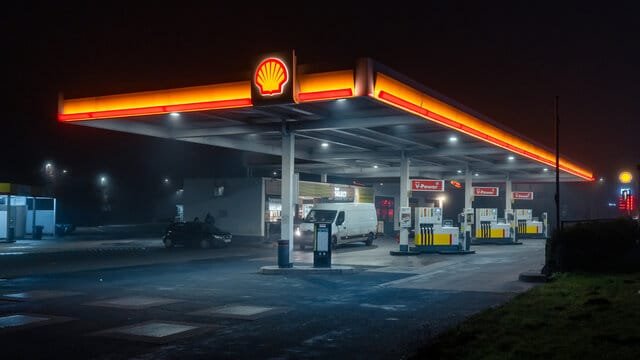
Other countries are going further by rationing fuel. In Sri Lanka, drivers are limited to just 15 litres per week, while in Slovenia, daily fuel purchases are capped. Myanmar has introduced a digital system that tracks how much fuel each vehicle consumes.
Free Transport and Financial Relief
Not all responses have been restrictive. Some governments are offering relief to ease the burden on citizens. In parts of Australia, public transport has been made completely free, encouraging people to leave their cars at home. Ireland and India have reduced fuel taxes and introduced financial support packages to help households cope with rising costs.
These measures aim to reduce pressure on families already struggling with the rising cost of living.
Prioritizing Essential Services
In countries where fuel shortages are more severe, governments are prioritizing critical sectors. Ethiopia, for instance, is directing fuel supplies toward public transport, security services, and essential industries. The Philippines has introduced subsidies for transport workers and even reduced working days for government employees to cut fuel consumption.
Meanwhile, countries like China one of the world’s largest oil consumers—are relying on large reserves built over time to stabilize domestic supply.
Warning Signs for Developing Economies
The crisis is particularly worrying for developing countries that depend heavily on imported fuel. In nations like Bangladesh and South Sudan, authorities have already begun implementing power cuts and fuel restrictions to manage limited resources.
For many of these countries, rising fuel prices quickly translate into higher food costs, expensive transport, and economic hardship for ordinary citizens.
What This Means for East Africa
While much of the focus has been on Asia and Europe, the impact is global—and East Africa is not immune. Countries like Kenya, which rely heavily on imported fuel, are likely to experience:
- Increased fuel prices at the pump
- Higher transport fares
- Rising cost of food and basic goods
If the crisis persists, similar measures—such as fuel subsidies, reduced taxes, or energy-saving policies—may become necessary.
A Global Chain Reaction
This crisis shows how deeply interconnected the world has become. A disruption in one region can quickly trigger a chain reaction across continents:
Oil supply disruption → Rising fuel prices → Increased transport costs → Higher cost of living
For millions of people, especially in developing economies, this is not just about fuel—it is about survival.
The global response to rising oil prices reveals a delicate balancing act. Governments must protect their citizens while managing limited resources and economic pressure. Whether through fuel rationing, free public transport, or financial support, each country is searching for solutions in a rapidly changing situation.
As the crisis continues, one thing is clear: the world is entering a period where energy security and affordability will define economic stability for years to come.