

Somalia is experiencing a sharp rise in the cost of living as ongoing tensions in the Middle East disrupt vital supply chains. With the country heavily dependent on imports, particularly from Gulf nations such as the United Arab Emirates, the effects are being felt across every sector of society. From fuel to food, prices are climbing rapidly, placing millions of vulnerable households under increasing pressure.
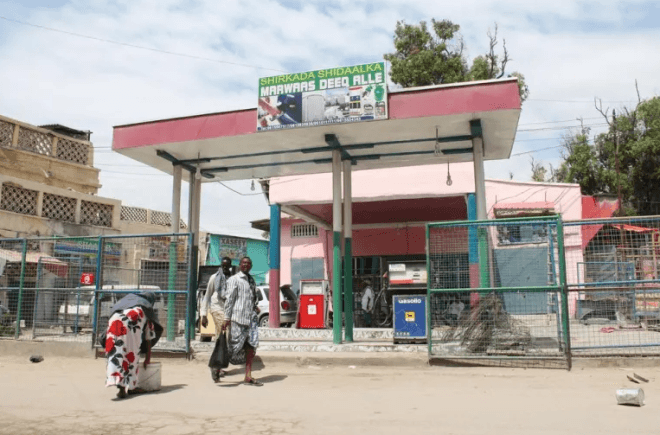
The disruption of shipping routes in the Gulf has led to an immediate spike in fuel prices across Somalia. As transport costs rise, the price of basic goods including rice, flour, and sugar has followed suit.
In a country where most essential commodities are imported, even minor disruptions in supply chains can trigger widespread inflation. Today, those disruptions are far from minor, and Somali consumers are paying the price.
Somalia’s economic structure makes it particularly vulnerable to external shocks. The nation relies on Gulf countries for a significant portion of its imports, especially fuel and food supplies.
With instability affecting shipping routes and logistics, delays have become more frequent and costs have surged. This dependence leaves Somalia with limited alternatives, intensifying the impact of global and regional crises on local markets.
Shipping Delays and Rising Costs
The current crisis has led to:
- Delayed cargo shipments
- Increased maritime insurance premiums
- Higher transportation and logistics costs
These factors combine to reduce the availability of goods while increasing their market prices. Traders are forced to pass these costs on to consumers, further driving inflation.
The economic strain comes at a time when Somalia is already battling prolonged drought conditions. Reduced rainfall has weakened agricultural production, leaving communities more reliant on imported food.
At the same time, cuts in international humanitarian aid have scaled back critical support programs. Food assistance, water access, and healthcare services have all been affected, compounding the challenges faced by vulnerable populations.

Internally displaced people (IDPs) are among the most affected. Many families living in camps face:
- Severe food shortages
- Limited access to clean water
- Inadequate healthcare services
As living conditions deteriorate, households are forced to adopt coping mechanisms such as skipping meals or selling essential assets, deepening cycles of poverty.
Somalia’s rising cost of living is not just an economic issue it is a humanitarian emergency. The convergence of external shocks, environmental stress, and reduced aid is pushing the country toward deeper food insecurity.
Without urgent intervention and more resilient supply systems, the situation is likely to worsen, affecting millions across the nation.