

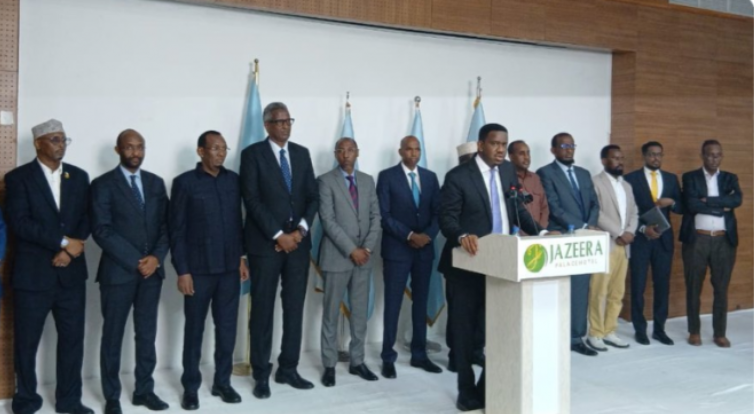
MOGADISHU, Somalia – Somali opposition leaders have convened high-level talks in the capital to develop an alternative electoral model, as the country edges closer to a constitutional and political deadline.
According to the report, the opposition is working to formulate a compromise electoral framework that could be presented to international mediators involved in Somalia’s political process.
The talks come at a critical moment:
- President Hassan Sheikh Mohamud’s mandate is set to expire on May 15, 2026.
- Somalia still lacks a clear, agreed-upon electoral roadmap, raising fears of a constitutional vacuum.
- International partners are increasing pressure on Somali leaders to reach consensus before the deadline.
At the heart of the dispute is how Somalia should conduct its elections:
- The federal government has been pushing toward direct “one person, one vote” elections.
- Opposition groups remain skeptical and are now proposing an alternative model, likely aiming for a negotiated or hybrid system.
Somalia has historically relied on indirect, clan-based elections, where delegates choose lawmakers, who then elect the president. But this system has faced criticism for lacking legitimacy and enabling elite control.
The opposition has taken a hard stance, warning that:
- The president’s authority may no longer be recognized after May 15 without an agreed electoral process.
- Any unilateral extension or imposed system could deepen the crisis.
Meanwhile, the government has invited opposition leaders for dialogue, but divisions remain deep.
This meeting reflects a broader struggle over Somalia’s political future:
- Legitimacy vs. practicality direct elections promise democracy but face logistical and security challenges.
- Power-sharing vs. reform the clan-based system ensures balance but is widely criticized.
- Risk of instability failure to agree could trigger a governance crisis or parallel authority claims.
Somalia is at a critical political crossroads. The opposition’s attempt to craft an alternative electoral model signals both deep distrust in the current process and a last-minute push to avoid a constitutional crisis.
Whether these talks lead to compromise or further deadlock will likely determine the country’s political stability in the coming weeks.