


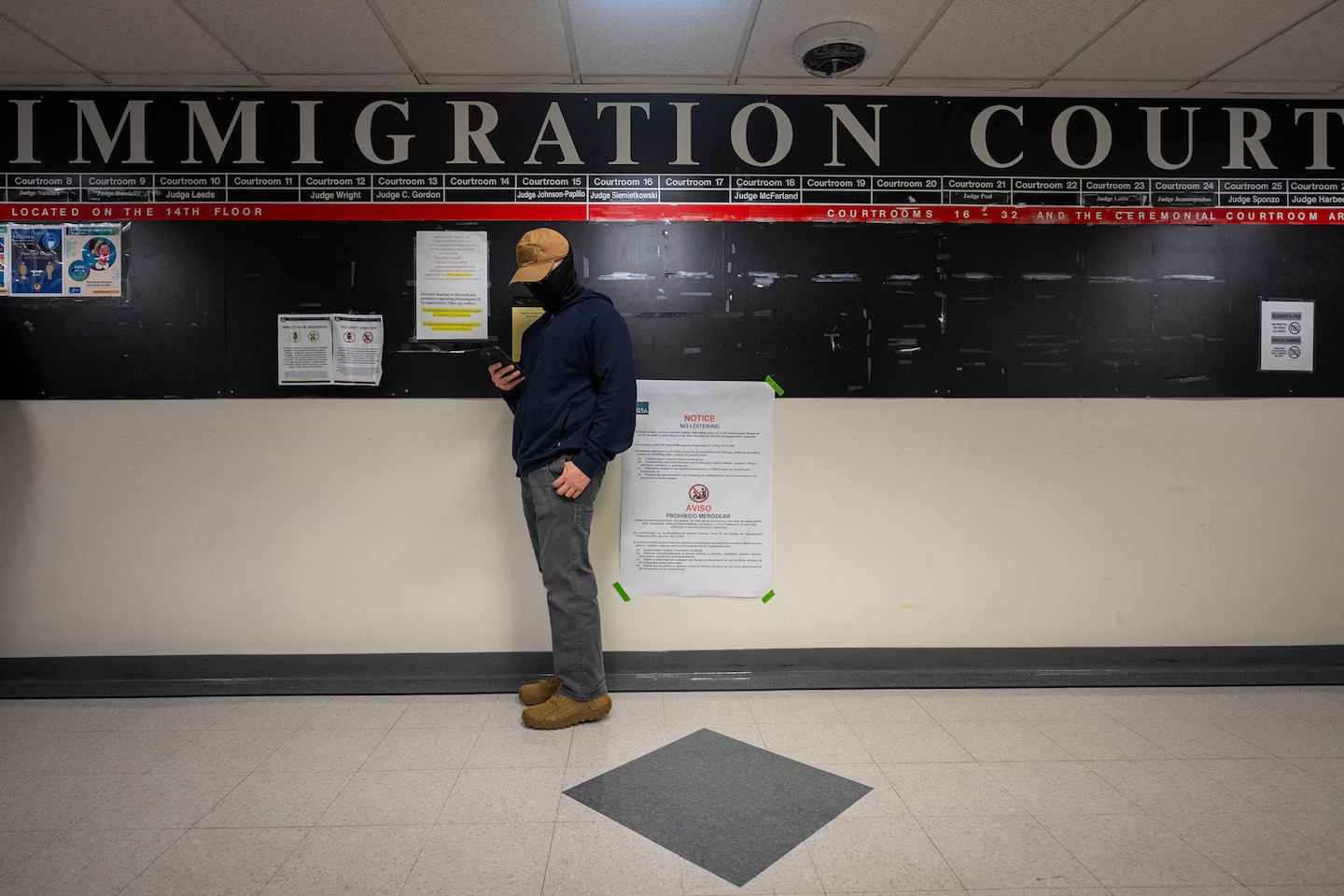
Recent changes at the Fort Snelling Immigration Court are drawing concern from immigration attorneys and advocates, who say the system is becoming faster, stricter, and increasingly difficult for asylum seekers to navigate.
Legal experts report a shift toward quicker case processing, higher denial rates, and growing pressure on judges developments that come as the federal government accelerates deportation efforts nationwide.
Attorneys working in Minnesota say immigration cases are now being decided at a much faster pace, sometimes without full hearings.
“They are looking to… dispense with these cases as quick as possible,” one attorney told Sahan Journal, describing what many see as a system prioritizing speed over thorough review.
National data reflects this trend. Asylum approval rates have dropped sharply in 2026, with estimates ranging between 5% and 7%, among the lowest levels recorded.
New Judges and System Pressure
The appointment of new immigration judges including one with limited immigration law experience has added to concerns among legal professionals.
At the same time, more than 100 immigration judges have reportedly been dismissed across the United States since early 2025, contributing to uncertainty within the system.
Former officials say current judges are under significant pressure to increase case throughput, sometimes handling five to seven hearings per day, compared to two or three in previous years.
Concerns Over Due Process
Attorneys argue that these changes may undermine due process for asylum seekers.
Some cases are being dismissed before full hearings through a legal mechanism known as “pretermission,” while others are accelerated in ways that limit preparation time for legal defense.
Critics say this approach risks turning immigration courts into what they describe as “deportation-focused systems,” rather than neutral judicial bodies.
ICE Presence and Courthouse Arrests
Another major concern has been the presence of immigration enforcement agents at or near court facilities.
In recent months, Immigration and Customs Enforcement (ICE) agents have detained individuals immediately after court proceedings—sometimes following case dismissals.
Although the number of arrests has decreased after public scrutiny, advocates warn the practice could return.
Growing Case Backlog
Despite efforts to speed up decisions, the immigration system remains heavily backlogged.
- Over 35,000 cases are pending at Fort Snelling
- More than 3.3 million cases are pending nationwide
This backlog, combined with accelerated processing, has created a system many attorneys describe as both overwhelmed and increasingly restrictive.
Impact on Asylum Seekers
For asylum seekers, the consequences are significant.
Many are now facing:
- Shorter timelines to prepare their cases
- Increased likelihood of denial
- Greater risk of immediate detention or deportation
Advocates warn that these changes could have long-term implications for vulnerable populations seeking protection in the United States.
Legal experts and former judges are calling for reforms to restore confidence in the immigration court system.
Some argue that without structural changes, the current trajectory could permanently damage trust in the process.
As one former judge noted, the system may be reaching a point where recovery becomes increasingly difficult.