



More than a century after dozens of Somali men, women, and children were displayed to paying crowds in northern England, a new exhibition in Bradford is revisiting one of the most unsettling chapters of colonial-era entertainment.
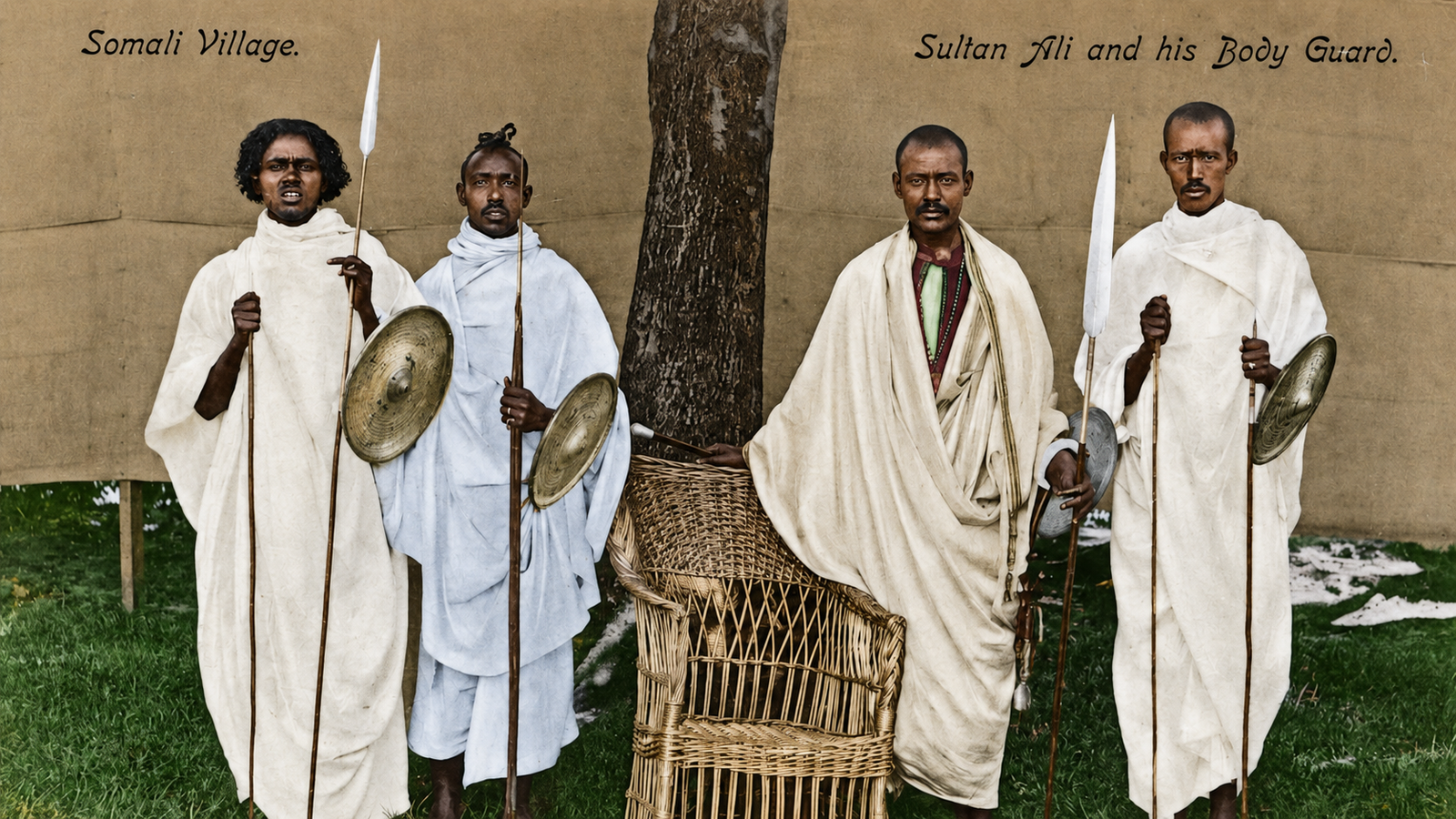
The exhibition, Weaving Together Industry, Culture and Empire, opening at Cartwright Hall, examines the 1904 Somali Village that once stood in Lister Park during the massive Bradford Exhibition.
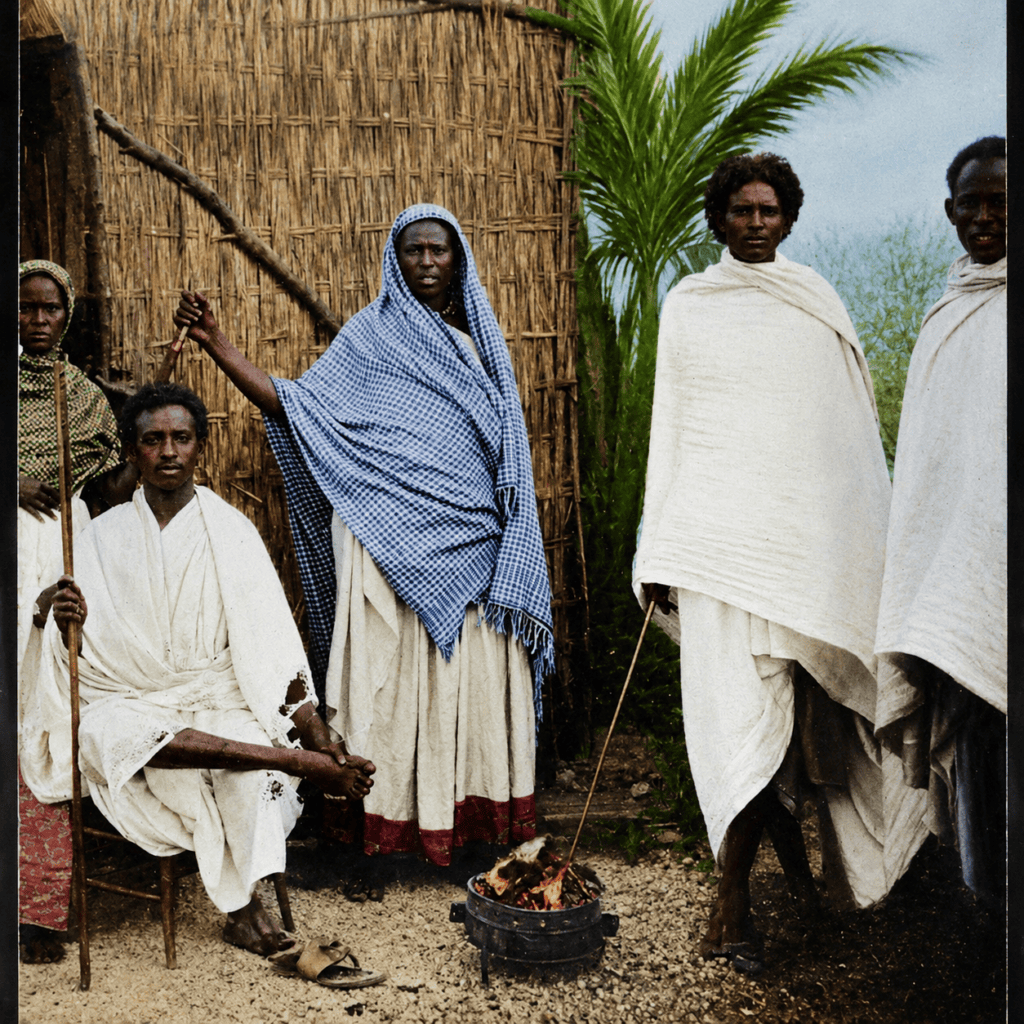
In 1904, 57 Somali Muslims — including men, women, and children brought from Somaliland were transported to Britain and placed on public display for six months. Visitors paid separate admission tickets to enter the “Somali Village,” where they watched reconstructed daily life, staged performances, and mock battle scenes.
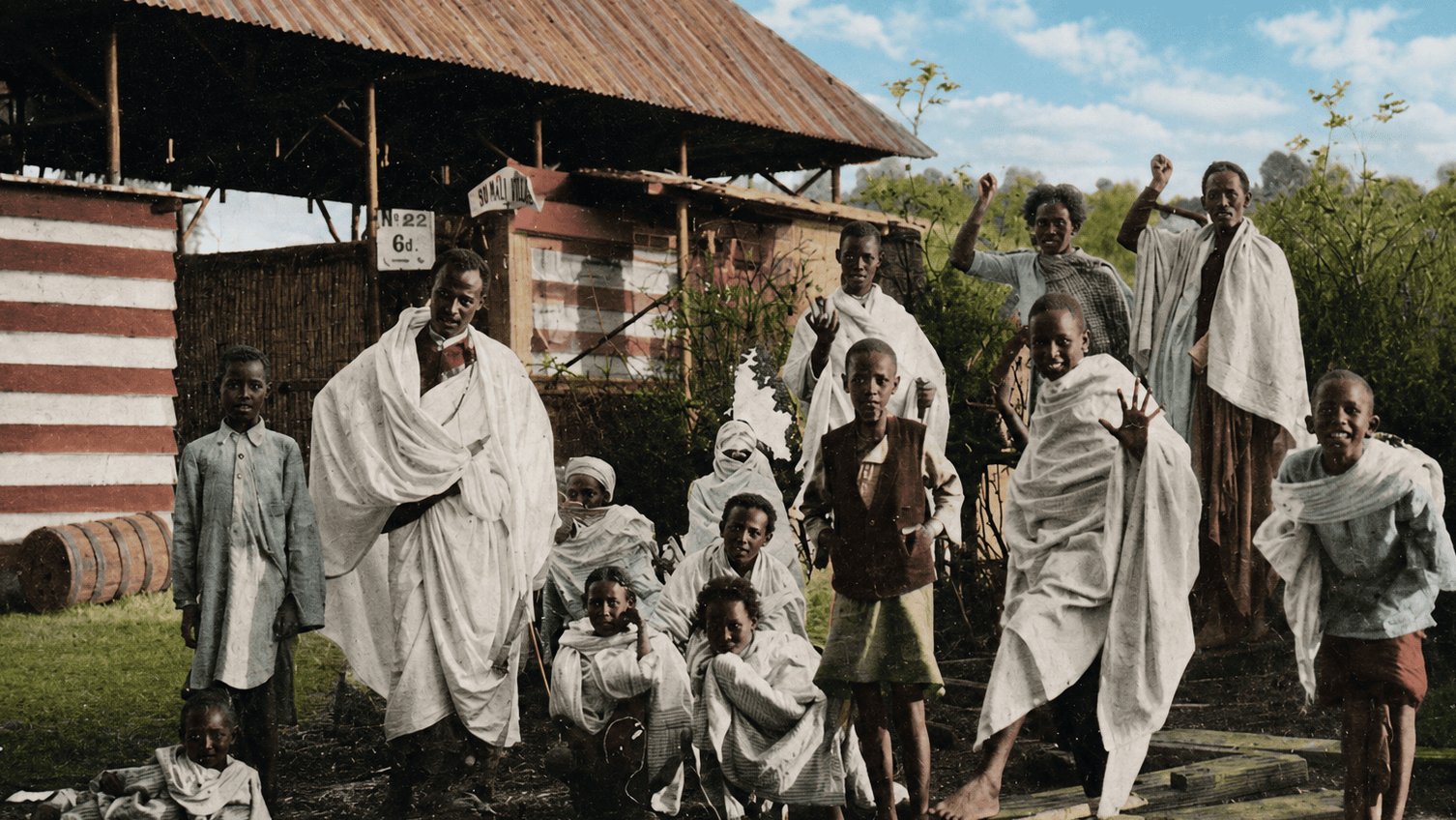
According to the exhibition’s curators, the display attracted enormous crowds. The wider Bradford Exhibition reportedly drew 2.4 million paying visitors, while the Somali Village itself became one of its most visited attractions.
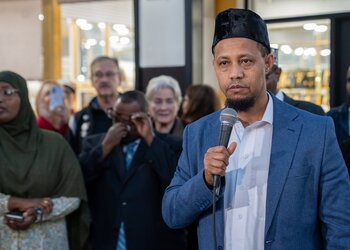
Curator Yahya Birt described the phenomenon as part of a wider colonial-era practice across Europe and America where racialized and colonized people were exhibited for entertainment and education.
He noted that tens of thousands of people from Africa and Asia were displayed in similar “human exhibitions” during the Victorian and Edwardian eras.
The new exhibition includes rare photographs, postcards, film footage, and archaeological discoveries connected to the original village. Some artifacts, organizers say, have never before been publicly displayed in Europe.
Curator Abira Hussein said the exhibition aims to connect several histories at once: Bradford’s industrial past, Britain’s colonial legacy, and the broader Somali diasporic experience.
The story is particularly significant for many Somalis today because it highlights how colonial powers often reduced African communities to spectacles for Western audiences. The Somali villagers endured harsh weather, cultural isolation, and public scrutiny while living thousands of miles away from home.
Yet the exhibition also raises deeper questions about memory, identity, and how institutions today confront uncomfortable histories.
Many museums across Europe are increasingly re-examining collections and exhibitions tied to empire, colonialism, and racial exploitation. The Bradford exhibition appears to be part of that broader reckoning.
For Somali communities in Britain and beyond, the revisiting of the Somali Village is more than historical reflection. It is also about reclaiming narratives that were once told entirely through colonial eyes.
The exhibition runs until 1 November at Cartwright Hall in Bradford.