




For months, Somali families, immigrant parents, teachers, and students across Minnesota have been sounding the alarm.
Children afraid to ride school buses.
Parents too terrified to send kids to class.
Teachers watching classrooms empty out overnight.
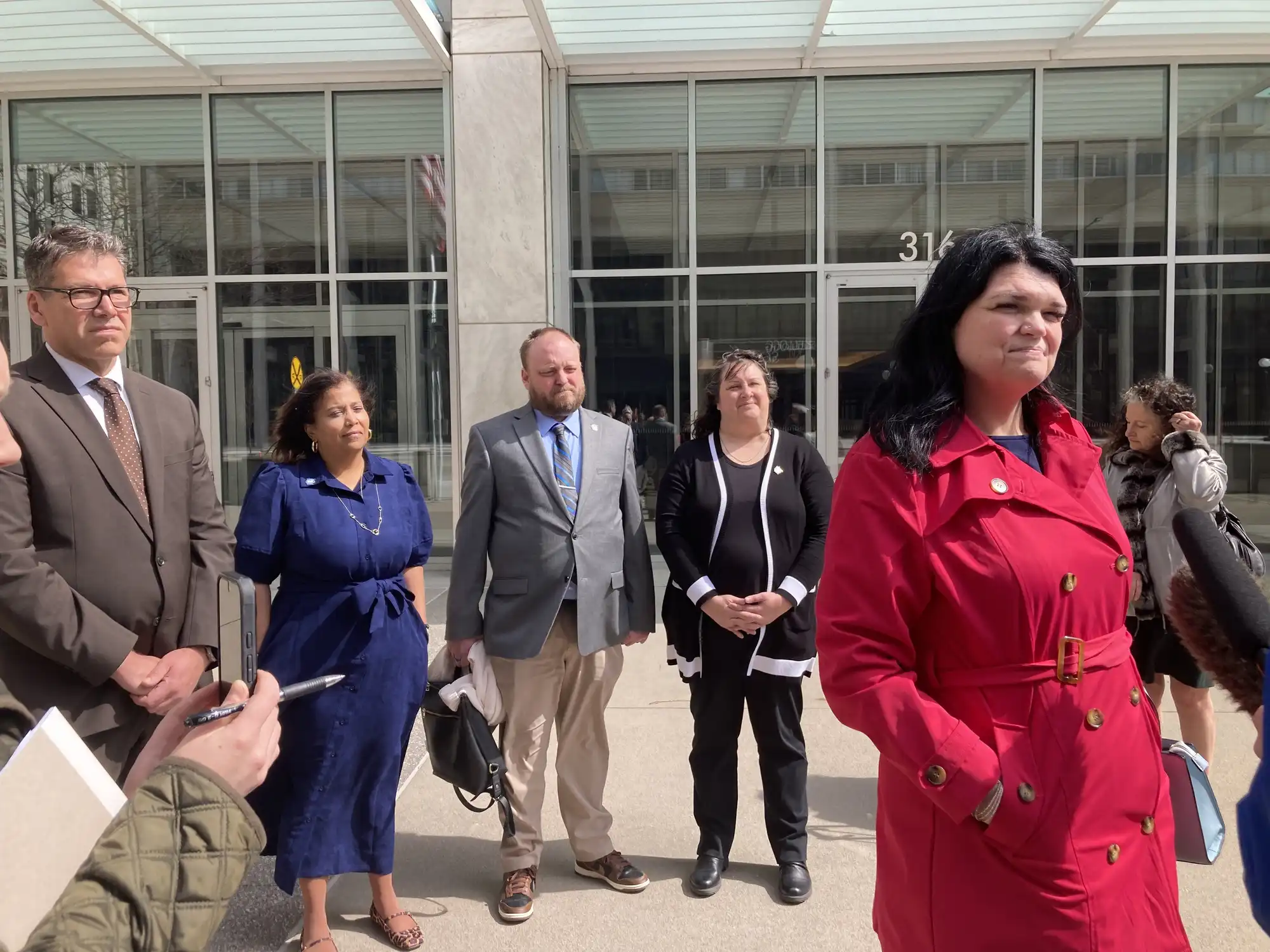
Now, a federal judge has denied a request to block ICE and Border Patrol activity near Minnesota schools while a major lawsuit continues through the courts.
The lawsuit was filed by Fridley Public Schools, Duluth Public Schools, and Education Minnesota after the Trump administration rolled back decades-old protections that discouraged immigration enforcement near schools, churches, and hospitals.
Educators say the consequences have been devastating:
▪️ Students disappearing from classrooms
▪️ Sharp drops in attendance
▪️ Families switching to online learning out of fear
▪️ ICE agents reported near schools and bus stops
▪️ Children asking teachers if they are still safe at school
During “Operation Metro Surge,” nearly 3,000 federal agents flooded Minnesota in one of the largest immigration crackdowns in recent state history.
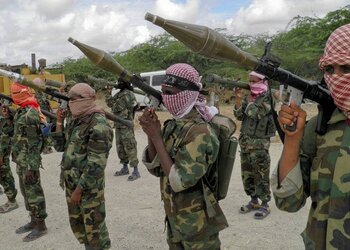
Schools say fear spread rapidly through Somali, Latino, Oromo, and immigrant communities – especially after heavily armed federal agents were seen near school grounds.
Court filings described incidents where agents entered areas around schools, and in one case near Roosevelt High School in Minneapolis, Border Patrol agents allegedly deployed chemical munitions and force during dismissal hours.
In Columbia Heights, a 5-year-old child walking home from school with his father became one of the most controversial symbols of the crackdown after both were detained by ICE agents during Operation Metro Surge.
Minnesota educators argued schools cannot function when students fear deportation more than exams.
But the judge ruled that the schools had not yet proven enough legal grounds for an emergency injunction, meaning ICE activity near schools can continue while the lawsuit moves forward.
The legal fight is far from over.
For many immigrant families in Minnesota, especially East African communities, the bigger question remains:
How can children learn when fear follows them to school?