
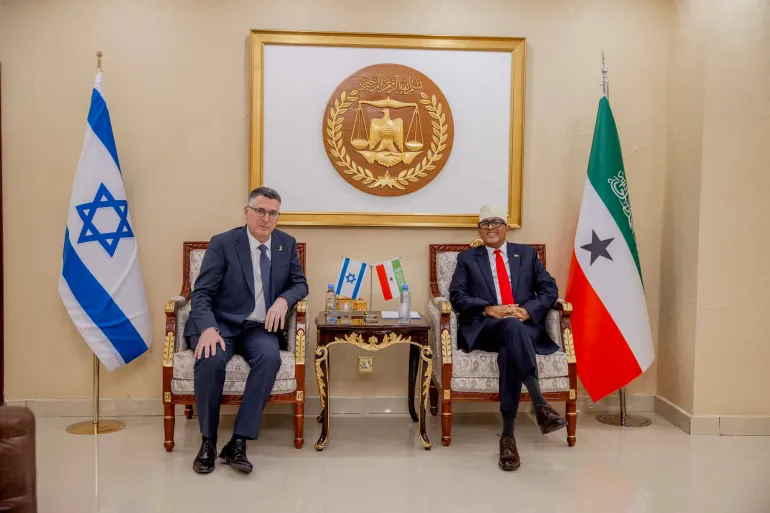
In a diplomatic shockwave across the Horn of Africa and Middle East, Israel has become the first country in the world to officially recognise the self-declared independent Republic of Somaliland — a territory that has sought formal statehood since its separation from Somalia in 1991.
Strategic Move or Regional Gamble?
Israel’s decision to recognise Somaliland is widely seen as part of its broader geostrategic interests in the Red Sea and Gulf of Aden region. The area is critical for maritime security and trade routes, especially amid rising tensions from the Yemen conflict and threats from the Iran-aligned Houthi movement.
Officials in Hargeisa have welcomed the recognition as a historic breakthrough, with celebrations in Somaliland’s capital. Somaliland leaders believe the move could open doors for investment, economic partnership, and diplomatic engagement beyond its long-standing isolation.
Somalia’s Government Outraged
The Federal Government of Somalia has strongly condemned Israel’s move as a blatant violation of its sovereignty and territorial integrity. Mogadishu insists that Somaliland remains an inseparable part of Somalia under international law and has criticised the recognition as interference in internal affairs.
Somalia’s leaders have described the decision as unacceptable, with some officials warning of serious repercussions for peace and stability in the region.
International Backlash and Regional Condemnations
The response from African and Muslim-majority nations has been overwhelmingly negative:
- African Union and over 20 countries joined in denouncing the recognition, calling it a threat to peace and regional stability.
- Arab League and Organisation of Islamic Cooperation (OIC) issued strong statements rejecting the move and reaffirming their support for Somalia’s sovereignty.
- Turkey labelled the diplomatic engagement as unlawful interference.
- South Africa and others warned that recognising a breakaway region undermines international law and risks encouraging further secessionist movements.
Security Concerns and Militant Threats
Somalia’s al-Shabab insurgent group also weighed in, threatening to fight any Israeli influence or presence in Somaliland territory – signalling potential security escalations ahead.
What This Means for the Horn of Africa
- Somaliland: Gains historic recognition but faces diplomatic isolation on other fronts and pressure from neighbouring states.
- Somalia: Uses the issue to rally support around territorial unity and warns of broader destabilisation risks.
- Regional Powers: Many African and Middle Eastern states are positioning themselves against this unilateral shift in diplomatic norms.
As the situation continues to unfold, analysts warn this move could reshape geopolitical alliances in the Horn of Africa, affect maritime security policies, and influence how breakaway regions pursue international recognition in an increasingly volatile global order.