


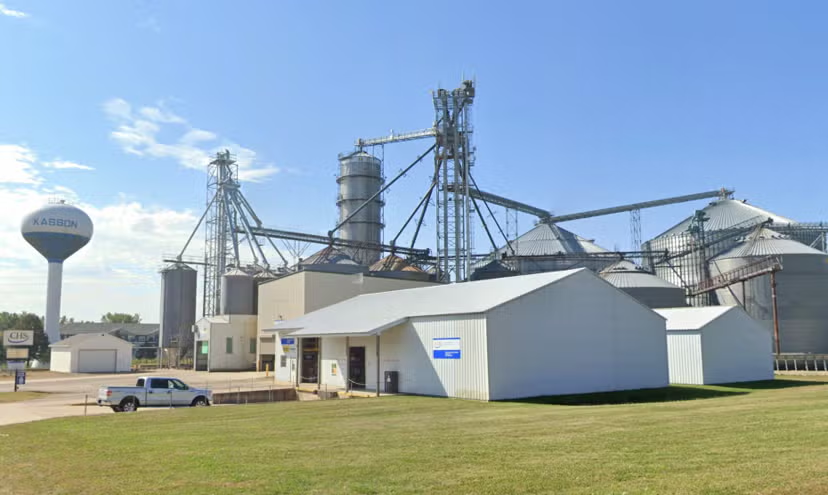
Agricultural cooperative CHS Inc. has announced plans to either close or sell three grain elevators in southern Minnesota following the 2026 harvest season, a move that reflects broader changes in the grain handling industry and the company’s evolving supply chain strategy.
The affected facilities are located in the communities of Kasson, Ostrander, and Wykoff. CHS informed employees of the decision on May 29, stating that the company intends to either divest or shut down the elevators after the upcoming harvest cycle.
Why CHS Is Making the Move
According to CHS, grain transportation and storage patterns are shifting away from smaller local elevators and toward larger, more efficient river terminals and processing facilities. Company officials say the strategy is designed to strengthen long-term competitiveness and better connect farmers to domestic and international markets.
CHS Senior Director of Operations Jim Morken said the cooperative is focused on operating resources in locations that deliver the greatest value to customers and farmer-owners. The company argues that larger facilities provide efficiencies that smaller elevators can no longer match.
Concerns for Small Farmers
The announcement has raised concerns among local farmers who rely on nearby grain elevators for storage, drying, and transportation services. Smaller producers often depend on local facilities to reduce transportation costs and maintain flexibility during harvest seasons.
Farmers and community members in Kasson have expressed hope that the facility will be sold rather than permanently closed, allowing grain services to remain available under new ownership.
Part of a Larger CHS Strategy
The decision aligns with CHS’s broader efforts to reshape its grain network. In recent years, the company has invested heavily in larger grain-handling assets and expanded infrastructure designed to move crops more efficiently to export markets. In 2024, CHS acquired eight grain facilities from Cargill across several states, including Minnesota, as part of a strategy to strengthen its supply chain.
Industry analysts note that consolidation has become increasingly common as grain companies seek economies of scale and adapt to changing market conditions.
What Happens Next?
The three southern Minnesota elevators are expected to remain operational through the fall 2026 harvest. CHS has not announced whether buyers have been identified for any of the locations. The outcome could significantly affect local grain producers, trucking operations, and rural communities that have long relied on these facilities as agricultural hubs.
For many farmers in southern Minnesota, the coming months will determine whether these elevators continue serving their communities under new ownership or become another example of the consolidation reshaping rural agriculture across the Midwest.