

For decades, Northern Kenya’s vast landscapes have carried a painful story of neglect, exclusion, and deprived development. Long viewed as Kenya’s forgotten frontier, the region’s predominantly Somali counties have endured years of marginalization rooted in historical policy failures that denied communities equitable access to infrastructure, education, healthcare, and economic opportunity.
But this year, history was rewritten.
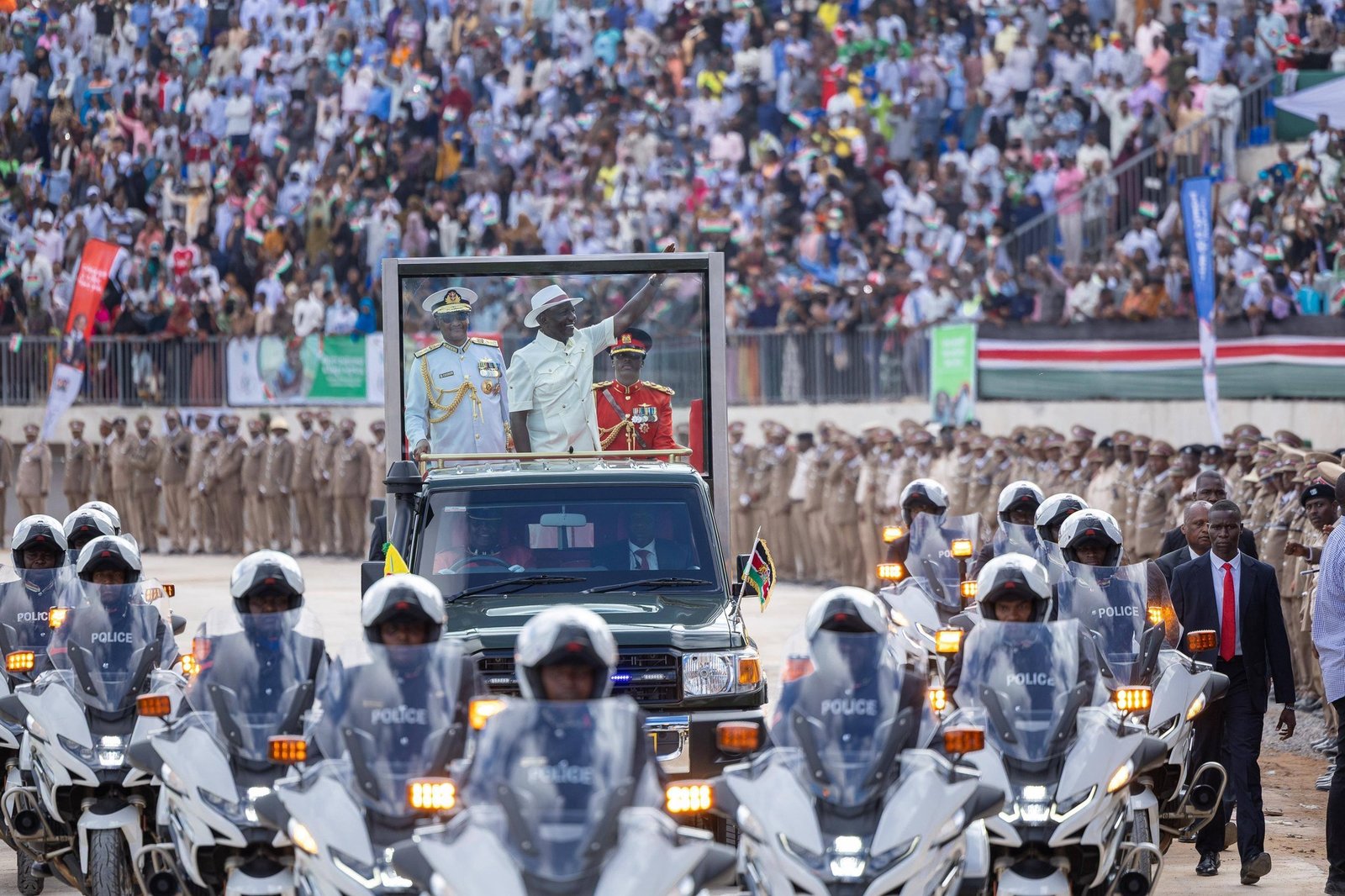
The decision to host Kenya’s national Madaraka Day celebrations in Wajir County was more than a ceremonial choice. It was a defining milestone — a bold statement that Northern Kenya is no longer on the periphery of the nation’s development agenda.
For the first time, a Somali county stood at the center of Kenya’s national celebration of self-rule, sending a powerful message of recognition, inclusion, and reconciliation.

A Historic Acknowledgment of Past Injustice
During the celebrations, President William Ruto publicly acknowledged the decades of state-sanctioned neglect that followed policy decisions made after independence, culminating in a rare and historic apology to the people of Northern Kenya.
For many residents of Wajir, Mandera, and Garissa, this acknowledgment was long overdue.
The apology represented more than words. It symbolized a national reckoning with a painful history that left the region deprived of development opportunities while other parts of the country progressed.
For generations, the Somali counties have grappled with underdeveloped infrastructure, inadequate schools, limited healthcare services, and poor road connectivity — realities that deepened economic inequality and social exclusion.

The Renaming of Wajir Stadium: A Symbol of Renewal
One of the most significant highlights of this year’s celebrations was the unveiling and proposed renaming of the newly upgraded stadium in Wajir.
The stadium now stands as more than just a sports facility.
It has become a monument to transformation — a visible symbol of Northern Kenya’s changing fortunes and the region’s emergence as a key pillar of Kenya’s national development.
The renaming of the stadium marks a powerful turning point, reflecting a broader shift from historical neglect to national recognition.
For residents, it is a source of pride and a lasting reminder that Wajir’s story is being rewritten.
New Development Signals a Fresh Chapter
Beyond symbolism, tangible investments are beginning to reshape the region.
The government’s investment in teacher training colleges across Wajir, Kotulo, and Mandera is building human capital for future generations.
The expansion of healthcare through the Social Health Authority is improving access for hundreds of thousands of residents.
The Affordable Housing Programme is injecting billions into local economies while creating jobs for young people.
Perhaps most transformative is the Northern Kenya Gateway Corridor, a multi-billion-shilling infrastructure project connecting Isiolo, Wajir, and Mandera.
Once completed, this corridor will unlock trade, ease movement, and position Northern Kenya as a strategic economic hub linking Kenya to the Horn of Africa.
Why This Milestone Matters
For many Kenyans, Madaraka Day commemorates political freedom.
For Wajir and the broader Somali counties, this year’s celebration carried an even deeper meaning: liberation from historical invisibility.
It marked a national commitment to correcting decades of marginalization and ensuring no region is left behind.
This milestone is not merely about hosting a national event.
It is about restoring dignity.
It is about rewriting a narrative of exclusion.
It is about opening the door to a future where Somali counties are recognized not as marginalized outposts, but as engines of growth, innovation, and opportunity.

The Road Ahead
The true measure of this historic moment will not be the speeches delivered or the ceremonies held, but the sustained development that follows.
For Wajir, this Madaraka Day must become the beginning of a permanent transformation.
A milestone has been reached.
Now, the journey toward equitable development, inclusion, and prosperity must continue.