


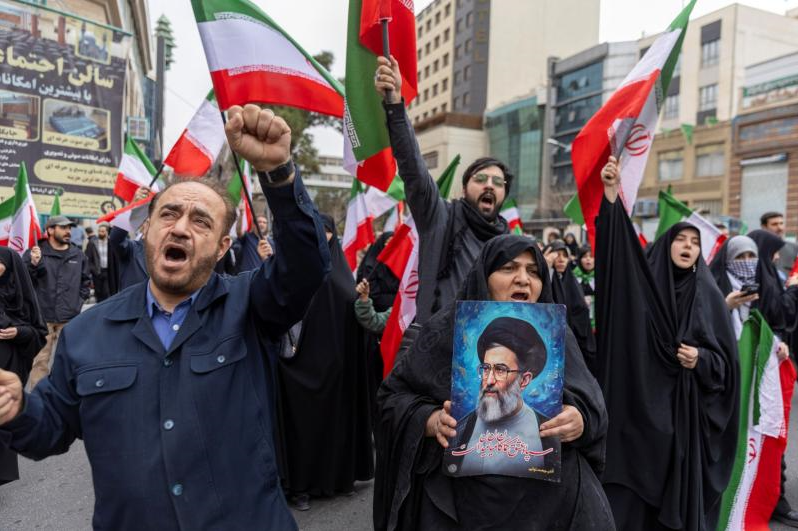
A proposed peace agreement between Iran and the United States is exposing deep political divisions in Tehran, as leaders weigh the potential benefits of diplomacy against decades of mistrust between the two longtime rivals.
The framework agreement, aimed at extending a ceasefire and opening broader negotiations on Iran’s nuclear program, sanctions relief, and regional security, has sparked a heated debate among Iran’s political factions.
Supporters of the negotiations argue that the deal offers a rare opportunity to ease economic pressure on the country and reduce the risk of another costly conflict. Backed largely by President Masoud Pezeshkian’s administration, advocates say diplomacy could help stabilize Iran’s economy, attract investment, and improve living conditions for millions of citizens affected by years of sanctions.
However, conservative and hardline factions remain unconvinced. Many within Iran’s political and security establishment view Washington with deep suspicion and warn that any agreement must not compromise the country’s sovereignty or strategic interests.
Their concerns reflect a broader fear that the United States could fail to uphold its commitments, repeating a pattern that has shaped Iranian skepticism toward previous diplomatic efforts.
Despite the disagreements, Iran’s leadership appears committed to continuing negotiations while maintaining what it describes as the country’s core national interests. Officials insist that any final agreement must preserve Iran’s security, regional influence, and right to pursue peaceful nuclear development.
The debate comes at a critical moment for the Islamic Republic. Years of economic challenges, international sanctions, and regional tensions have increased pressure on policymakers to find solutions that can improve stability without appearing to concede to foreign demands.
For many ordinary Iranians, the discussions are about more than geopolitics. The outcome could directly affect inflation, employment opportunities, and the country’s economic future.
As negotiators work to turn preliminary understandings into a formal agreement, the political battle unfolding inside Iran may prove just as important as the talks themselves. Whether Tehran’s competing factions can unite behind a common vision could determine not only the fate of the peace deal but also the future direction of Iran’s relationship with the wider world.
While hopes for a breakthrough remain alive, the path to a lasting agreement remains uncertain, with both supporters and critics closely watching every step of the negotiations.