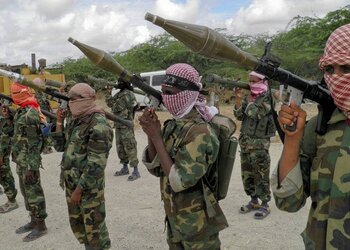





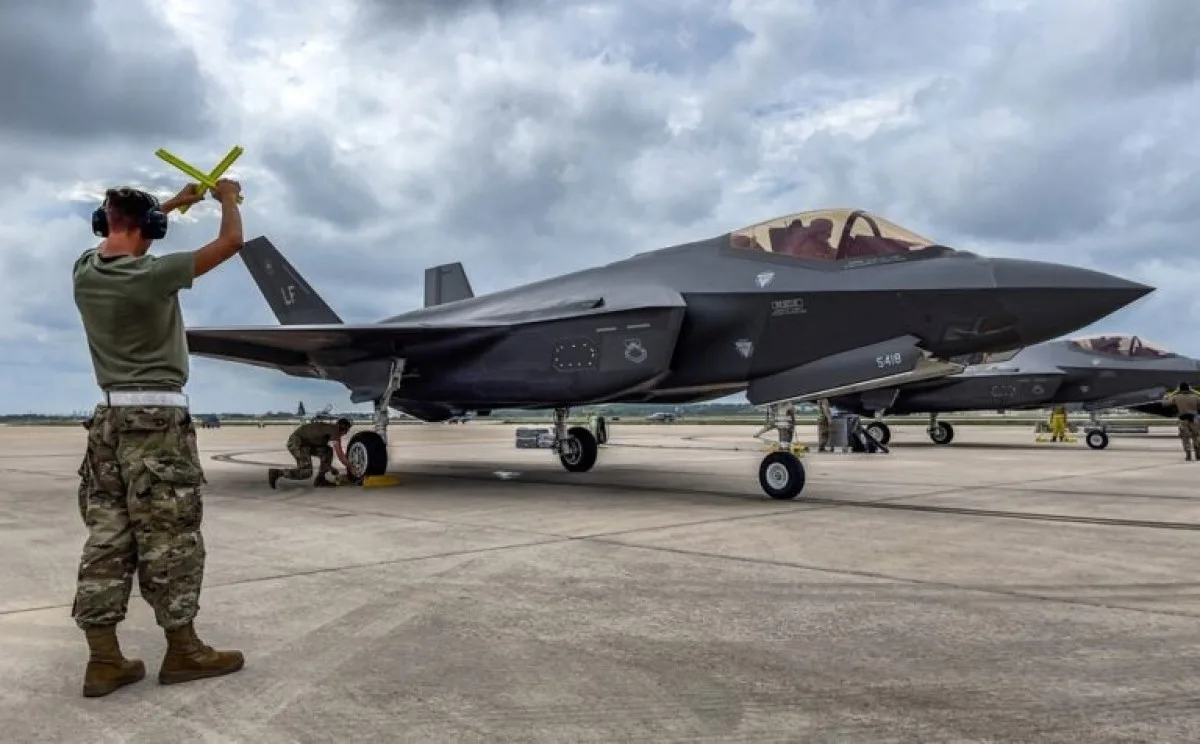
MOGADISHU, Somalia — Three months have passed since the United States last carried out a publicly acknowledged airstrike against Islamic State militants in Somalia, raising questions over whether Washington’s intensive campaign against the group has entered a prolonged pause or achieved some of its key objectives.
The latest confirmed U.S. strike against ISIS-Somalia took place on May 6, 2026, near the Golis Mountains, about 75 kilometers southeast of Bosaso, according to U.S. Africa Command (AFRICOM).
Since then, U.S. military operations in Somalia have continued, but the focus has shifted toward al-Shabaab, the larger al-Qaeda-linked militant organization. New America, which tracks U.S. military operations in Somalia, reported that 13 U.S. strikes targeting al-Shabaab were recorded during the three-month period, while no new U.S. strike against ISIS-Somalia was reported.
The pause is particularly notable because the United States dramatically increased its military activity in Somalia during the past year and a half. ISIS-Somalia accounted for more than half of reported U.S. airstrikes and ground operations in Somalia since 2025, according to New America’s tracking.
A campaign that appears to have weakened ISIS
One explanation for the lull is that the U.S.-backed campaign may have significantly degraded ISIS-Somalia’s operational capabilities.
A United Nations assessment released in February estimated that the group’s fighting force had fallen to roughly 300 fighters, while the flow of foreign recruits had been significantly constrained. Continued counterterrorism operations have also reportedly reduced the group’s ability to communicate and operate effectively.
ISIS-Somalia has struggled to establish the territorial control associated with al-Shabaab. Instead, the group has largely operated from remote mountainous areas in Puntland, particularly around the Cal Miskaad and Golis mountain ranges.
The intensive U.S. campaign launched during President Donald Trump’s second administration targeted these areas repeatedly, with American aircraft supporting Somali and Puntland forces in operations against ISIS positions.
But ISIS has not disappeared
Despite the reduction in the group’s strength, there are important signs that the threat has not been eliminated.
ISIS-Somalia leader Abdulqadir Mumin is believed to remain at large. His survival is significant because U.S. officials have previously described him as an important figure within the wider Islamic State network.
The United States has also not announced the deaths of many senior ISIS-Somalia leaders during the campaign, making it difficult to determine whether the group has been strategically defeated or simply pushed into a period of reduced activity.
For Somalia, that distinction matters.
A prolonged pause in American strikes could indicate that ISIS-Somalia has been sufficiently weakened to make further large-scale air operations unnecessary. But it could also provide the group with an opportunity to reorganize, recruit and rebuild its networks.
The focus shifts to al-Shabaab
While ISIS-Somalia has experienced a lull in U.S. targeting, al-Shabaab remains an active target of American air operations.
The United States carried out several strikes against al-Shabaab in June, including operations in southern Somalia conducted in coordination with Somali forces.
The shift highlights the different challenges posed by Somalia’s two major armed groups.
ISIS-Somalia has remained comparatively small and geographically concentrated, while al-Shabaab maintains a much broader presence and has demonstrated an ability to conduct attacks, collect revenue and challenge government control across significant parts of the country.
What comes next?
The three-month pause leaves open a central question: Has the U.S. campaign against ISIS-Somalia succeeded, or is the group simply waiting out the pressure?
The answer may become clearer in the coming months.
If ISIS remains unable to conduct significant attacks, attract foreign fighters or expand beyond its mountain strongholds, Washington could regard the campaign as having achieved many of its immediate objectives.
But if the group begins demonstrating renewed operational capacity, the United States and Somali security forces could face pressure to resume airstrikes.
For now, the absence of strikes is not the same as the end of the conflict.
The guns may have gone quiet in the mountains of Puntland, but ISIS-Somalia’s survival — particularly the continued uncertainty surrounding its leadership — means that the group’s long-term threat remains an open question.